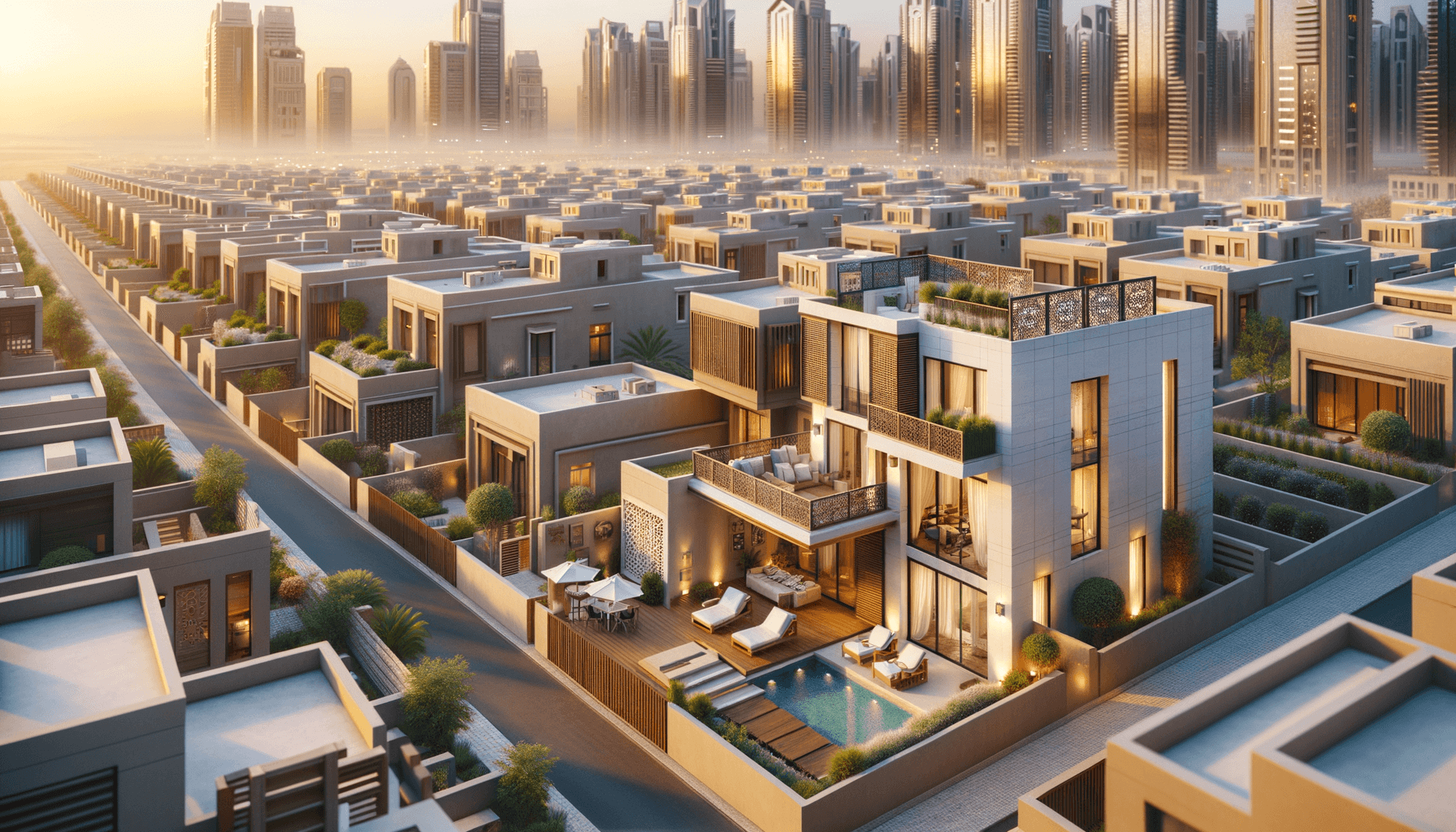
The type of home matters less than the lease behind it. Apartments are the cheapest and most flexible, villas give you space and a private entrance, and compounds bundle a villa or apartment with shared facilities and a managed gate. Whichever you pick, the same rental rules apply, and they changed in September 2025.
How the three types differ
Apartments are the default for singles and couples. They are usually in towers or mid-rise blocks, and listings are marked furnished or unfurnished; the rent figures on this site are for unfurnished units, so budget for furniture if you take one (see furnishing your home). For typical asking rents by city, see housing costs in Riyadh, Jeddah and Dammam.
Villas are standalone or semi-detached houses, often on a walled plot. You get more space and a private entrance, and you will usually deal with the landlord or a property manager directly for repairs. Ask who pays for what: water tank delivery, garden upkeep, AC servicing and any generator or pump.
Compounds are gated residential communities with several homes, shared facilities and on-site management. What a compound offers (pool, gym, play areas, clubhouse, a management office) varies a lot from one to the next, and so does the price. Do not assume anything from the word "compound". Ask for the list of facilities, the fees, the visitor rules and the house rules in writing, and check the compound's own website or ask to see it in person.
What each type suits
- Single or couple, short assignment: an apartment, furnished if the stay is under a year or two. Furnished units cost more, but you avoid buying and reselling furniture.
- Family with children: a villa or compound if you want outdoor space; a larger apartment if proximity to school and work matters more. Use the schools finder to see where schools are before you pick an area.
- Employer-provided housing: check whether your contract gives you a housing allowance or a specific unit, and who signs the lease. If your name is on it, everything below applies to you.
Rules that apply to every lease
These come from REGA's rental rules that took effect on 25 September 2025. Check the current text on Ejar before you rely on a detail, as the rules can be amended.
- Register the lease on Ejar. Residential and commercial leases must be registered on Ejar, and an unregistered contract is not recognized as valid or enforceable (Argaam, October 2025). If a landlord refuses to register, the tenant can ask for registration or complain to REGA. Our lease agreements guide covers the paperwork.
- Automatic renewal. Leases renew automatically unless either side gives at least 60 days' notice before expiry.
- Riyadh rent freeze. Within Riyadh's urban boundaries, rent increases are suspended for five years from 25 September 2025, for new and existing residential and commercial leases (Arab News). A vacant unit that was rented before is capped at its last Ejar-registered rent. Landlords in Riyadh can refuse renewal only for non-payment, a structural safety defect confirmed by a technical report, or their own use (including a first-degree relative). As of October 2026 we found no report that the freeze covers Jeddah, Dammam or other cities; REGA can extend it with approval.
- The landlord pays Ejar's platform fees, according to Ejar's FAQ as reported by Argaam. Service charges such as parking or cleaning can be written into the contract as fixed items.
Questions to ask before you sign
- Is the lease registered on Ejar, and does the Ejar record match what you are being told: rent, term, unit number and landlord's name?
- What is included: furniture, AC units, kitchen appliances, parking spaces, water, shared-facility access?
- Which utilities are in your name, and are there separate meters? See the utility bill estimator.
- For a compound: what are the fees beyond rent, what are the visitor and guest rules, and can you see the facilities and the management office?
- Who handles repairs and how fast? Ask for a named contact.
- What is the condition today? Photograph every room and appliance on the day you collect the keys.
Work out what you can afford with the rent affordability tool and the cost calculator, and use the neighborhood quiz or the neighborhood pages for Riyadh, Jeddah, Dammam and Khobar to shortlist areas. If you have pets, read pet relocation first, and ask about pets in writing before you sign anything.
Sources
Facts in this guide were checked on 22 October 2026 against these pages. Fees and rules change, so confirm on the official page before you pay or apply.