
Ramadan in Saudi Arabia
Your comprehensive guide to culture, etiquette, and daily life during the holy month.
Understanding Ramadan
Ramadan is the ninth month of the Islamic lunar calendar and is considered the holiest month for Muslims worldwide. During this month, Muslims fast from dawn (Fajr) to sunset (Maghrib), abstaining from food, drink, and other physical needs.
It is a time of spiritual reflection, increased devotion, and community. As an expat in Saudi Arabia, understanding and respecting these traditions will enrich your experience and strengthen your connections.
2025 Dates
Expected Feb 28 - Mar 29, followed by Eid al-Fitr celebrations. Exact dates depend on moon sighting.
Fasting Duration
Approximately 13-14 hours during March. Dawn ~5:00 AM to sunset ~6:00-6:30 PM.
Non-Muslim Expats
Not required to fast, but Saudi law requires everyone to respect the fast by not eating, drinking, or smoking in public. Violations can result in fines.
Etiquette & Respect
Showing respect for Ramadan traditions will help you build stronger relationships with your Muslim colleagues and neighbors.
The Do's
- Dress modestly - loose-fitting clothes covering shoulders and knees
- Greet with 'Ramadan Mubarak' or 'Ramadan Kareem'
- Accept invitations to iftar - it's a great honor
- Show patience and understanding during slower service
- Participate in charitable activities if able
- Keep noise levels down, especially during prayer times
The Don'ts
- Eat, drink, or smoke in public during fasting hours
- Play loud music in public spaces
- Wear revealing or tight clothing
- Schedule important meetings during iftar time
- Express frustration about adjusted schedules
- Chew gum in public during daylight hours
Pro Tip: Joining Iftar
If invited to iftar, it's a wonderful opportunity to experience Saudi hospitality. Bring a small gift (dates, sweets, or fruit) as a gesture of appreciation. Arrive on time as iftar begins exactly at sunset. This is one of the best ways to build lasting friendships during Ramadan.
Work & Business
Business operations change significantly during Ramadan. Understanding these adjustments will help you plan your work and maintain good professional relationships.
Working Hours
Most businesses operate 6 hours/day for Muslims (usually 10am-4pm). Non-Muslims may have different schedules.
Government Services
Government offices typically work 10am-3pm. Plan important errands accordingly.
Meeting Schedules
Avoid scheduling meetings close to iftar (sunset) or during late nights.
Productivity Patterns
Mornings are usually more productive. Late nights (9pm-2am) see increased business activity.
Pro Tips for Expat Professionals
- Schedule important meetings between 10am-2pm for best attendance
- Send meeting requests well in advance with clear agendas
- Be flexible with deadlines - productivity patterns shift
- Use the quieter daytime hours for focused individual work
- Network at iftar events - many business deals happen over food
Food & Dining
Dining patterns transform completely during Ramadan. Here's the timeline of eating.
Fasting Hours
Dawn to Sunset
Most restaurants closed to dine-in. Takeaway and delivery available. Hotels have designated areas for non-fasting guests.
Iftar
The Sunset Feast
Restaurants open before sunset. Special buffets at hotels. Traditional foods: dates, samosas, harees, jareesh. Many mosques offer free meals.
Suhoor
The Pre-Dawn Meal
Many restaurants open until 2-3am. Special suhoor menus at hotels. Great social atmosphere - families often dine out together.
Must-Try Ramadan Foods

Harees
Slow-cooked wheat and meat porridge, a Ramadan staple across the Gulf
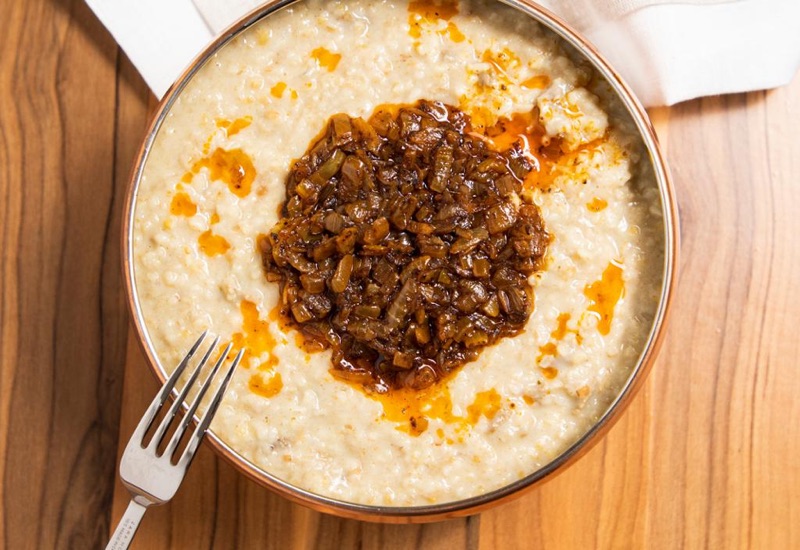
Jareesh
Traditional crushed wheat dish simmered with spices and tender meat
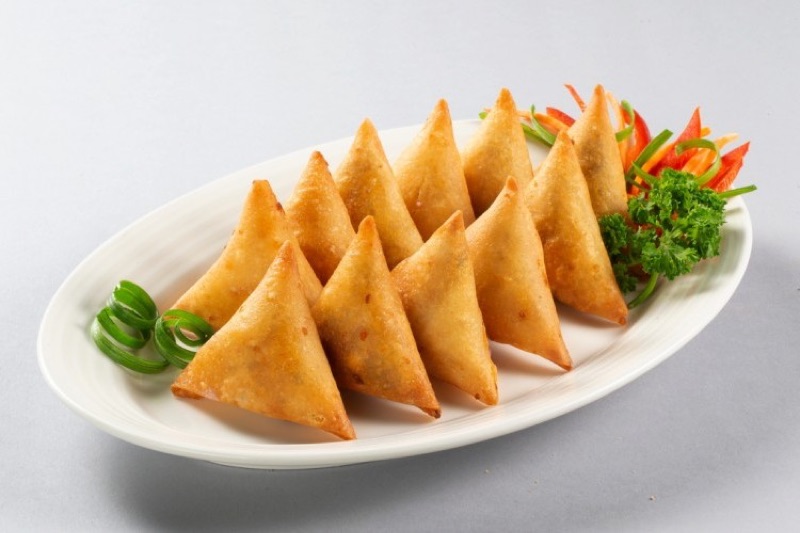
Sambousek
Crispy stuffed pastries filled with spiced meat or cheese

Luqaimat
Golden sweet dumplings drizzled with date syrup or honey

Dates & Laban
The traditional way to break your fast - sweet dates with buttermilk

Vimto
The iconic Ramadan drink - a fruity cordial loved across Saudi Arabia
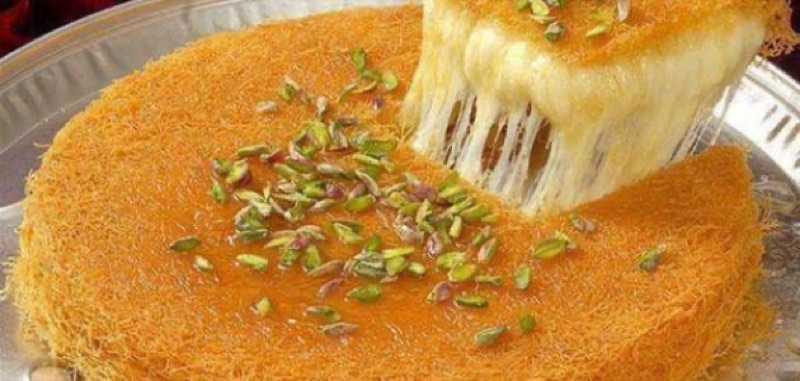
Kunafa
Layers of crispy pastry and melted cheese soaked in sweet syrup
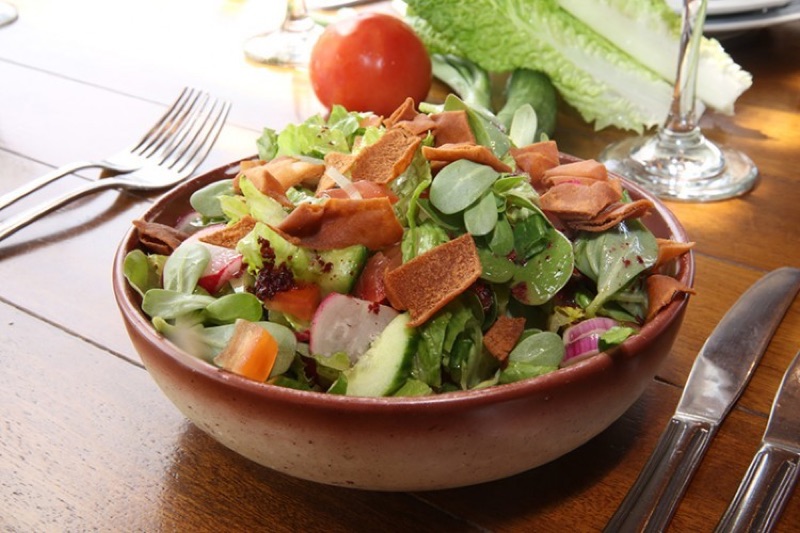
Fattoush
Fresh herb salad with crispy pita, a refreshing iftar starter
For Non-Fasting Expats
Daily Life Changes
Ramadan affects many aspects of daily life. Here's how to adapt your routines.
Shopping
Malls open after Dhuhr (~12pm), stay open until midnight or later.
Traffic
Quiet during day, very busy 30 min before/after iftar.
Entertainment
Adjusted hours. Special Ramadan events and activities citywide.
Groceries
Special Ramadan hours. Best: late morning or late night.
Typical Ramadan Day Schedule
Morning to Afternoon
- 4:30-5:00 AM - Suhoor (pre-dawn meal)
- 5:00 AM - Fajr prayer, start of fast
- 10:00 AM - Shops/offices open
- 3:00-4:00 PM - Government offices close
Evening to Night
- 6:00-6:30 PM - Iftar (breaking fast)
- 7:30 PM - Taraweeh prayers
- 9:00 PM - Shops/malls open again
- 12:00-2:00 AM - Shops close, suhoor begins
Events & Activities
Ramadan is a festive time with many special events across Saudi cities.
Riyadh
- Ramadan Season at Boulevard Riyadh City
- Special events at Diriyah Season
- Community iftars at local mosques
- Ramadan Night Markets
Jeddah
- Jeddah Ramadan Festival
- Historical area walking tours
- Corniche evening activities
- Traditional souq experiences
Dammam / Khobar
- Eastern Province Ramadan celebrations
- Corniche family activities
- Community iftar gatherings
- Cultural exhibitions
Need More Help?
Connect with our community of expats who have experienced Ramadan in Saudi Arabia. Ask questions, share experiences, and find local events.