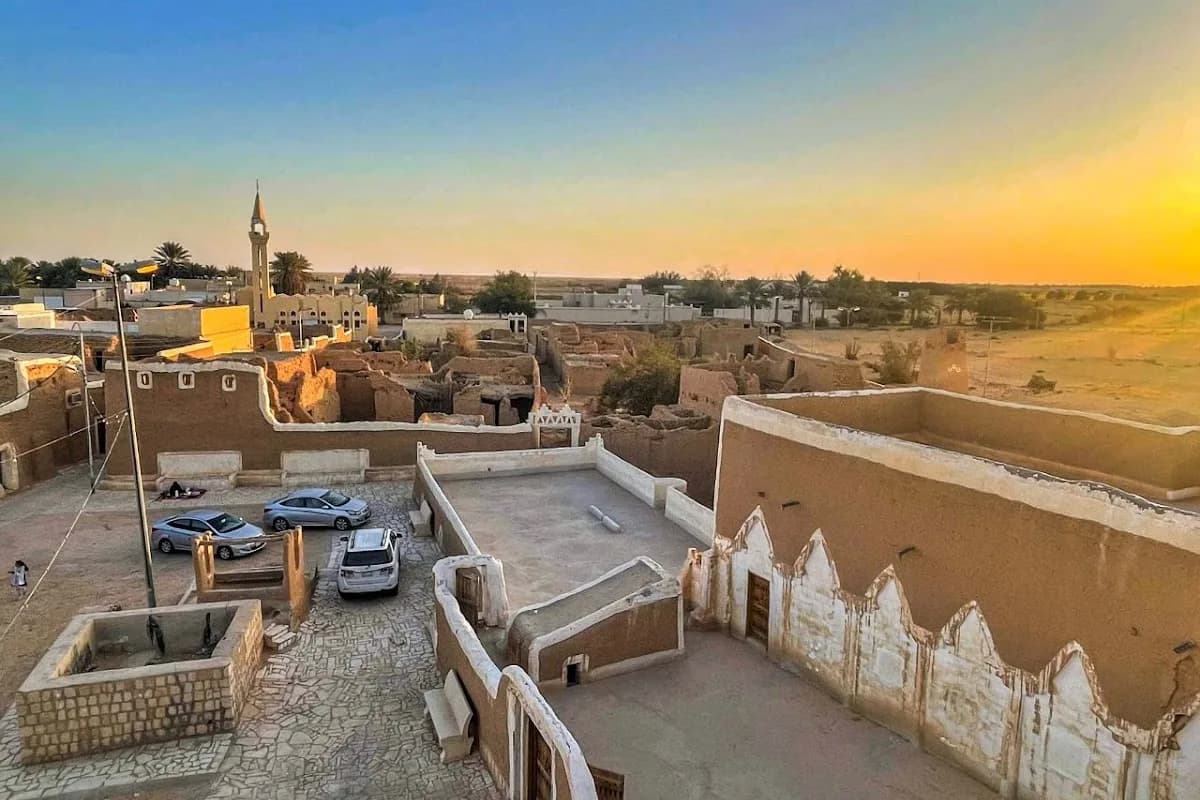
Al Aflaj
Al Aflaj is a regional city known for its agricultural heritage and oasis landscapes, offering a quieter lifestyle compared to larger urban centers. It serves as a hub for date farming and traditional crafts, appealing to expats seeking a more authentic Saudi experience while still being within reach of major economic centers.
8
Neighborhoods
Create Checklist
Start your journey
Popular Neighborhoods
Explore the best areas for expats in Al Aflaj
Al Aflaj Center
Commercial center with modern amenities
Al Farshat
Traditional villas and authentic community
Al Hareeq
Quiet residential area with spacious homes
Al Silayyil
Agricultural area with countryside charm
Eastern District
Developing area with modern apartments
Layla
Historic main town with traditional character
Neighborhood Locations
Frequently Asked Questions
Common questions about living in Al Aflaj
Is Al Aflaj a good place for expats to live?
Al Aflaj is one of the most popular destinations for expatriates in Saudi Arabia, offering a mix of modern amenities, diverse neighborhoods, international schools, and a growing expat community. The city provides excellent healthcare facilities, shopping centers, and recreational activities suitable for families and singles alike.
What is the cost of living in Al Aflaj for expats?
The cost of living in Al Aflaj varies depending on your lifestyle and housing choices. On average, expats can expect to spend SAR 8,000-15,000 per month for a comfortable lifestyle including rent, utilities, groceries, and transportation. Use our Cost of Living Calculator for a personalized estimate.
What are the best neighborhoods for expats in Al Aflaj?
The best neighborhoods for expats in Al Aflaj depend on your priorities such as proximity to work, schools, budget, and lifestyle preferences. Popular expat-friendly areas offer compounds, international schools nearby, and good access to amenities. Explore our neighborhood guides to find your perfect match.
Do I need a car in Al Aflaj?
While public transportation is improving in Al Aflaj, most expats find having a car convenient for daily commuting and weekend activities. Ride-sharing apps like Uber and Careem are widely available as alternatives. Some neighborhoods are more walkable than others.